
October is Fire Prevention Month, making it a practical time for East Tennessee families to review the safety measures that matter most before cooler weather arrives.
Heating equipment, fireplaces, holiday cooking, space heaters, and changing routines can all make fall a good time to test alarms, revisit escape plans, and correct small issues before they become emergencies.
Use this smoke detector checklist and home fire-safety review to prepare your household for the season ahead.
1. Test Every Smoke and Carbon Monoxide Alarm
Smoke alarms and carbon monoxide alarms protect your family only if they work. Test each device monthly using its test button, and make sure every family member recognizes the sound and knows what it means.
As you test, check:
- Whether each alarm sounds clearly.
- Whether the alarm’s manufacturing date is approaching its replacement date.
- Whether battery-powered devices need fresh batteries, according to the manufacturer’s instructions.
- Whether each bedroom, sleeping area, and level of the home has appropriate smoke-alarm coverage.
- Whether carbon monoxide alarms are installed where needed, particularly in homes with fuel-burning appliances, fireplaces, or attached garages.
The National Fire Protection Association recommends smoke alarms inside every sleeping room, outside each separate sleeping area, and on every level of the home.
2. Practice Your Family’s Escape Plan
An alarm warns your family. An escape plan helps everyone know what to do next.
Walk through your home together and, when possible, identify two ways out of every room. Make sure windows and doors open easily, hallways and stairs are clear, and children understand they should leave immediately when the smoke alarm sounds—not search for pets, toys, or belongings.
Your plan should include:
- Two ways out of each bedroom, when possible.
- A designated meeting place a safe distance from the home.
- A plan for assisting young children, older adults, or household members with mobility needs.
- A reminder to stay outside once everyone has escaped.
- Practice at least twice a year, including once in the dark or with low lighting to reflect real-life conditions.
A fire-safety plan is most useful when everyone has practiced it. Take a few minutes after your smoke detector checklist to ensure all household members know where to go and who is responsible for helping children or pets get out safely.
3. Prepare for Heating Season
Before you use a fireplace, wood stove, space heater, or central heating system, take time to prepare your home.
Start with these fire prevention month tips:
- Have qualified professionals inspect and service fireplaces, chimneys, and heating equipment as needed.
- Keep furniture, bedding, curtains, clothing, and other combustible items at least three feet from space heaters.
- Plug space heaters directly into a wall outlet; avoid extension cords and power strips unless the manufacturer specifically permits them.
- Turn portable space heaters off when leaving the room or going to sleep.
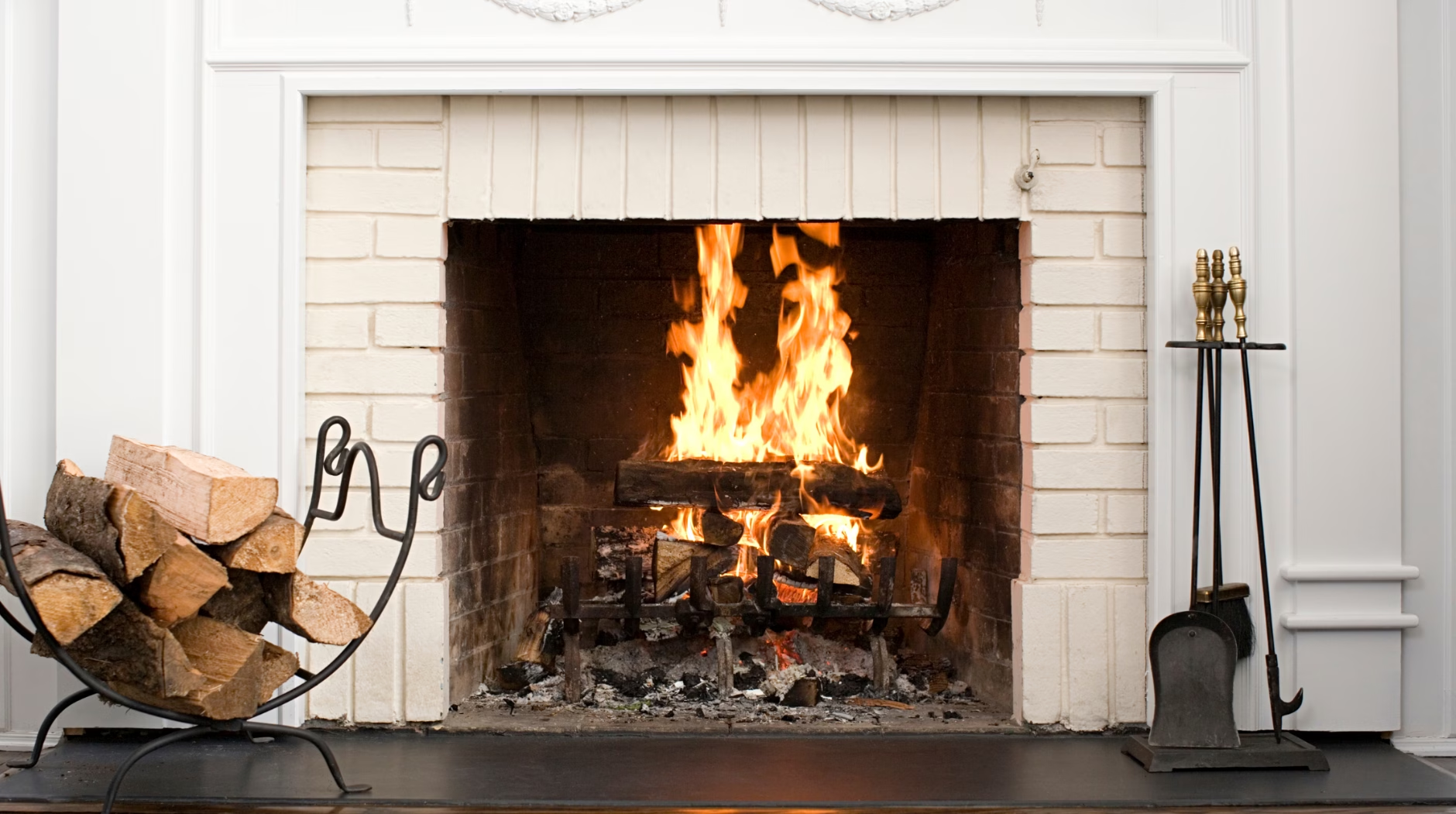
- Keep fireplace screens in place and dispose of cooled ashes in a metal container stored away from the home.
- Never use an oven or stove to heat your home.
Be especially attentive in the kitchen. The U.S. Fire Administration identifies unattended cooking equipment as the leading factor contributing to ignition in nonconfined home cooking fires. Stay in the kitchen when frying, grilling, boiling, or broiling, and turn off the burners if you need to leave.
4. Charge Devices Safely
This year’s Fire Prevention Week theme is a timely reminder that phones, tablets, e-bikes, power tools, and other lithium-ion battery-powered devices deserve safe charging habits.
To reduce potential charging risks:
- Use the charger that came with your device or one the manufacturer approves.
- Charge devices on hard, flat surfaces—not beds, couches, or under pillows.
- Keep charging areas clear of paper, blankets, clothing, and other materials that can trap heat.
- Stop using a battery or charger that becomes unusually hot, swells, smokes, leaks, or smells unusual.
- Unplug devices once they are fully charged when practical.
- Charge larger lithium-ion battery devices, such as e-bikes, scooters, and power tools, outside and away from exits when possible.
5. Consider Monitored Fire Protection
Standard smoke alarms provide an important local warning. A monitored smoke alarm can add another layer of support by sending a compatible alarm signal to a 24/7 professional monitoring center, which follows the emergency response procedures associated with the account.
That can be valuable if a fire starts while your family is asleep, away from home, or unable to call for help. Professionally installed smoke, heat, and carbon monoxide detectors can also integrate into a broader security system, depending on the home’s configuration and needs.
Fleenor’s home fire and smoke protection systems include monitored smoke, heat, and carbon monoxide detection options. Fleenor also provides professionally installed smart home alarm systems that can integrate security, life-safety devices, mobile alerts, and compatible smart-home features.
As you complete your fire safety home checklist this month, ask whether your current system can notify you and provide professional monitoring support when a smoke or carbon monoxide alarm activates.
Take the Next Step Toward Fire Safety
Fire Prevention Month reminds us that a few simple habits can make a meaningful difference: test alarms, practice your escape plan, prepare heating equipment, charge devices safely, and review the protection in place at home.
If you would like help reviewing your smoke, carbon monoxide, or monitored fire-protection options, Fleenor Security can provide a no-cost home security evaluation. Ask about the current free fire extinguisher promotion when you contact the team.
Knoxville: Call (865) 544-9964 | Johnson City: Call (423)282-3755