
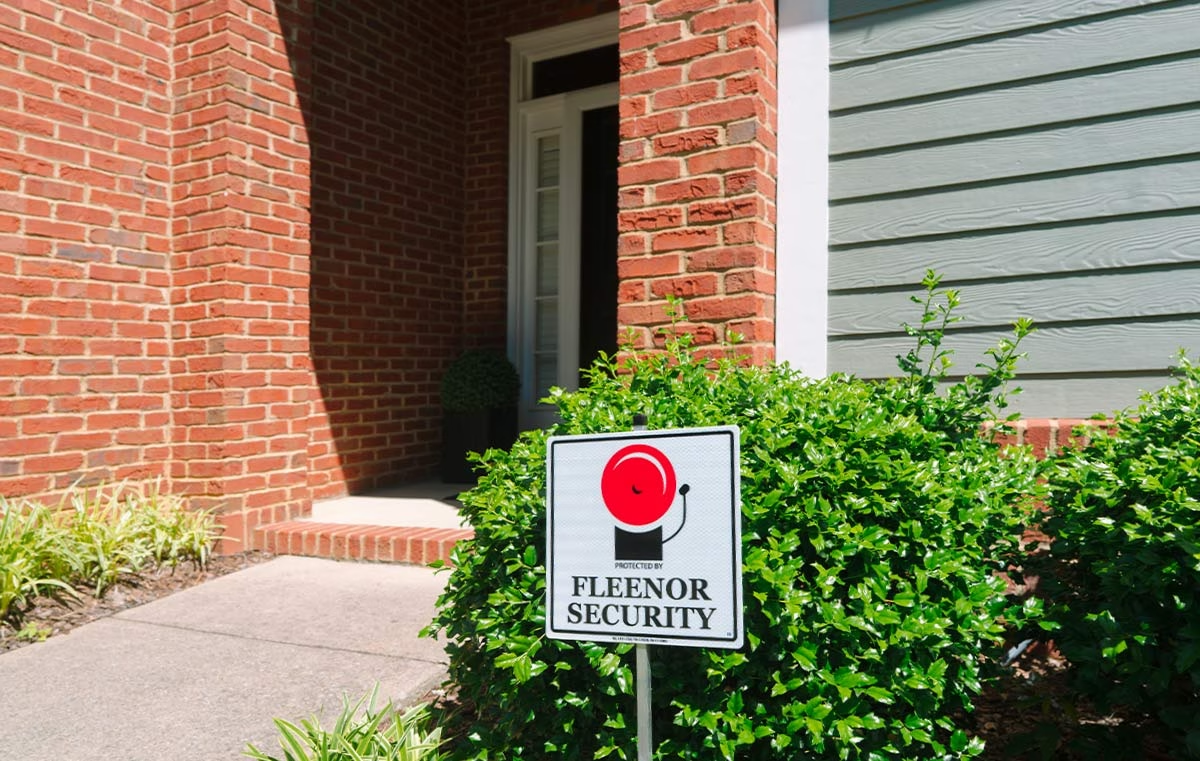
A home security system can help protect against intrusion, but doors, windows, and motion sensors are not designed to identify every risk inside a home. Water leaks, carbon monoxide, temperature changes, and fire-related heat can develop in areas that may go unchecked for hours—or longer when no one is home.
Environmental monitoring adds sensors that can alert you and, depending on your equipment and monitoring plan, notify your monitoring provider when conditions require attention. Fleenor Security offers monitoring for water leaks, carbon monoxide, and high or low temperatures as part of an integrated home-security solution.
Four Risks Environmental Sensors Can Help You Monitor
Water Leaks and Moisture
A leak near a water heater, washing machine, sump pump, refrigerator line, or basement floor can cause damage before it is visible elsewhere in the home.
Water damage and freezing are common homeowners-insurance loss categories. Based on Insurance Information Institute calculations using ISO/Verisk homeowners-claims data from 2018–2020, about one in 60 insured homes had a property-damage claim caused by water damage or freezing each year.
A water sensor can alert you when water reaches the device’s contact points. It is not a substitute for maintenance, proper drainage, or flood insurance, but it can help you discover certain leaks or water intrusion sooner.
Carbon Monoxide
Carbon monoxide (CO) is a colorless, odorless gas that can cause sudden illness or death when inhaled. Each year, more than 400 Americans die from unintentional CO poisoning not connected to fires and more than 100,000 visit emergency departments for CO poisoning.
Fuel-burning appliances, fireplaces, attached garages, and portable generators can all create CO hazards under certain conditions. Install CO detectors near sleeping areas, use battery-operated or battery-backup models, and follow the manufacturer’s placement and replacement instructions. Never use a generator, grill, or other fuel-burning device indoors or near open windows, doors, or attached garages.
An integrated CO detector can add a monitored response layer to the local audible alarm. The exact notifications and emergency procedures depend on the system configuration and monitoring plan.
Low-Temperature and Freeze Conditions
A sustained drop in indoor temperature can signal HVAC trouble and may increase the risk of frozen pipes, especially in crawl spaces, utility rooms, basements, and unoccupied homes. A temperature sensor can notify you when temperatures move outside the threshold configured for your system.
For homes that will be vacant during cold weather, a temperature alert should complement, not replace, winterization steps such as insulating vulnerable pipes, maintaining safe heat, and arranging periodic property checks. Ready.gov recommends taking steps to protect plumbing and installing working CO detectors during winter weather.
Heat Detection
Heat alarms respond to high temperatures rather than smoke. They can be useful in areas such as garages, where smoke alarms are not designed or required for use and may be affected by dust, fumes, insects, or changing temperature and humidity.
Heat detection is an additional part of a home fire-safety plan, not a replacement for properly placed smoke alarms. USFA recommends smoke alarms inside every sleeping room, outside each separate sleeping area, and on every level of the home, including the basement.
Adding Environmental Monitoring to an Existing System
In many cases, environmental sensors can be added to an existing monitored security system. However, compatibility depends on the control panel, communications equipment, monitoring platform, and the devices already installed.
Fleenor can evaluate your current system and recommend options for monitoring water leaks, CO, and temperature extremes. Before installation, you will want to confirm
- Which sensors are compatible with your panel
- Whether alerts go to your app, the monitoring center, or both
- How the monitoring center handles water, temperature, heat, and CO signals
- Any applicable installation requirements or service costs
Build a More Complete Home-Safety Plan
Environmental sensors help close gaps that intrusion devices do not address. A water sensor may reveal a leak near an appliance. A low-temperature alert may draw attention to an HVAC issue in an unoccupied home. A monitored CO detector may add another layer of protection when household members are asleep or away.
Fleenor Security has served East Tennessee since 1972 and provides home security, fire protection, monitoring, and environmental monitoring options for homeowners in Knoxville, Johnson City, and surrounding communities.
To discuss compatible environmental-monitoring options for your home, contact Fleenor Security:
Knoxville: (865) 544‑9964 | Johnson City: (423) 282‑3755