
When daylight saving time ends on Sunday, November 1, 2026, East Tennessee evenings will get darker earlier almost overnight. That simple clock change can affect everyday routines: arriving home from work, walking the dog, unloading groceries, checking on children after school, and keeping an eye on doors, driveways, and outdoor spaces.
A strong daylight saving home security plan does not require a major overhaul. Start by checking the outdoor systems you already use—lighting, cameras, motion sensors, locks, and app alerts—and make sure they are ready for earlier sunsets.
Update Outdoor Lighting Schedules
Exterior lighting helps you move safely around your property and improves visibility near entry points. If lights are set on timers, the schedule that worked in summer may leave your home dark during the first hours of the evening once daylight saving time ends.
Review lighting around:
- Front and back doors
- Garage and driveway areas
- Side gates and walkways
- Decks, patios, and detached buildings
- Areas near outdoor cameras
For the most consistent results, consider dusk-to-dawn security lighting or smart lights that can follow a sunset-based schedule. This removes the need to manually reset a timer as daylight changes with the seasons.
With compatible smart-home devices, Fleenor systems can schedule interior and exterior lights or trigger illumination based on time of day, motion, or alarm-system status.
Test Camera Night Vision After Dark
Do not assume an outdoor camera is providing the same view at 8:00 p.m. as it does at 8:00 a.m. After dark, open your camera app and review each live feed from the same perspective you would use if you received an alert.
Check for:
- Clear views of entry doors, driveway approaches, and walkways
- Glare from porch lights, landscape lights, or vehicle headlights
- Branches, seasonal decorations, or other objects blocking the view
- Camera angles that need adjustment
- Image quality that makes people or vehicles difficult to identify
Night vision is not a substitute for good exterior lighting. The two work best together: lighting helps improve visibility around entrances, while cameras help you check activity and document what occurred.
Check Motion Sensors and Alerts
Motion-activated lights can be a practical addition near frequently used doors, driveways, garages, and side yards. Before relying on a motion sensor outdoor light, test it at night to confirm the detection area and timing work as intended.
Walk through the area from multiple directions and look for:
- Lights that activate too late—or not at all
- Sensors that activate too often because of trees, pets, or passing traffic
- Areas with limited coverage near entry points
- Fixtures that need bulbs, batteries, cleaning, or repositioning
If your home uses compatible smart lighting, you may be able to receive alerts, set schedules, or connect lighting actions to security events. For example, a “Good Night” scene could arm your alarm, lock compatible doors, and turn off selected lights, while an arrival routine could turn on a front entry light after dark.
Use automation for convenience and visibility, but ensure it never interferes with safe exiting, door access, or emergency procedures.
Trim Foliage and Check Sightlines
Summer growth can change how well you can see around your property. A shrub that was below a camera’s view in spring may now block a driveway angle or obscure a side entrance.
Walk the exterior of your home before the time change and check:
- Trees and shrubs near doors and windows
- Plants or hanging décor in front of cameras
- Overgrown branches covering outdoor lights
- Areas where landscaping creates a dark corner or blocked sightline
- House numbers and walkways that guests or first responders may need to see
This is also a good time to check gates, fences, exterior locks, and door hardware. Clear sightlines and working exterior lights make it easier for you, your family, and visitors to move safely around the property after dark.
Review Your Evening Security Routine
The end of daylight saving time is a useful annual prompt to review more than clocks. Take five minutes to confirm that the household knows how to use the security system and that the settings still reflect your routine.
A quick fall home security checklist:
- Update smart-light timers for earlier sunset.
- Test exterior lights and replace burned-out bulbs.
- Review camera views after dark.
- Confirm motion lights and motion alerts work as expected.
- Trim foliage blocking cameras, lights, doors, or windows.
- Make sure doors and windows lock properly.
- Review user codes and remove access that is no longer needed.
- Check whether the garage door is left open when you arrive home.
- Test smoke and carbon monoxide alarms according to the manufacturer’s instructions.
Schedule an Outdoor Security Assessment
Darker evenings do not automatically mean your home is less secure. They do mean it is worth checking whether your lighting, camera placement, and alerts support how your household moves through the day.
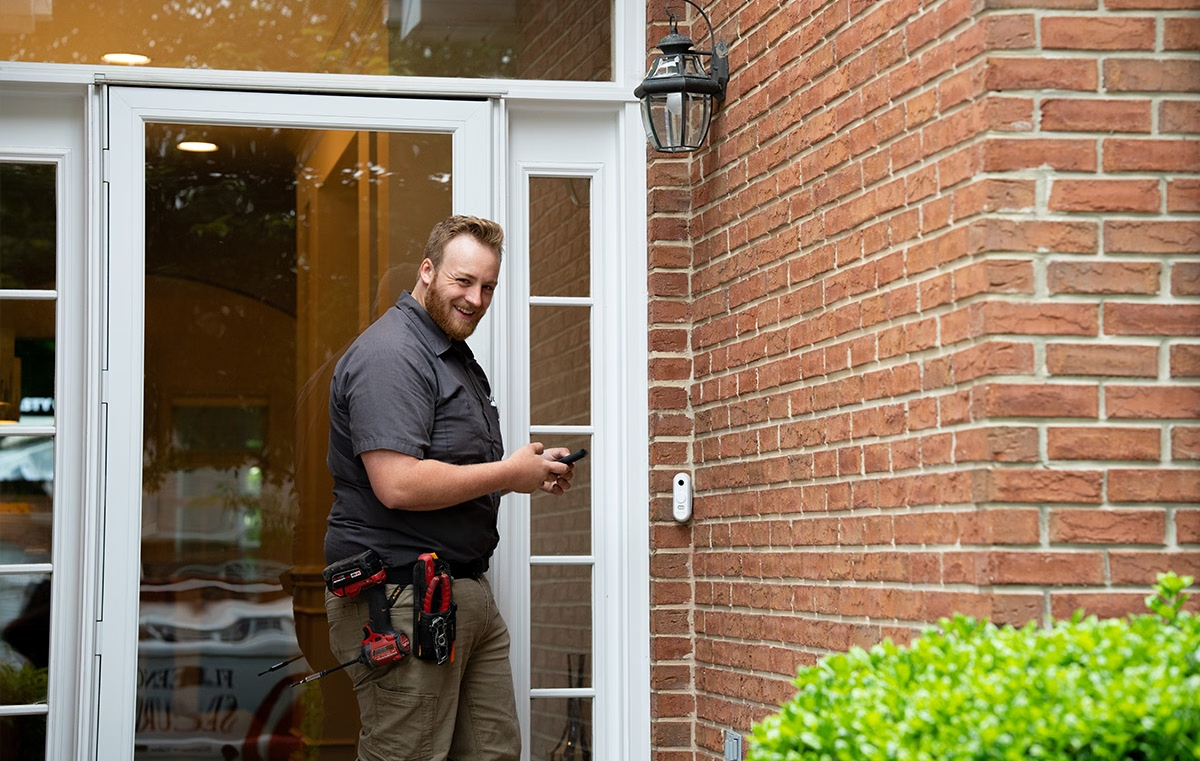
Fleenor Security can provide a no-cost residential security assessment to review entry points, outdoor camera coverage, lighting integration, and smart-home options. A professionally designed system can combine intrusion detection, video, app access, and compatible automation into a setup that fits your home and routine.
Ready to prepare your home for earlier fall evenings? Contact Fleenor Security to schedule an outdoor security assessment.
Knoxville: Call (865) 544-9964 | Johnson City: Call (423) 282-3755